Impact
Summary
Discover Our Impact: Highlights from our Annual Report
Through data-driven insights and outcome-based metrics, we demonstrate the effectiveness of our interventions and the value generated through strategic partnerships and community engagement.
Our Impact at a Glance
77%
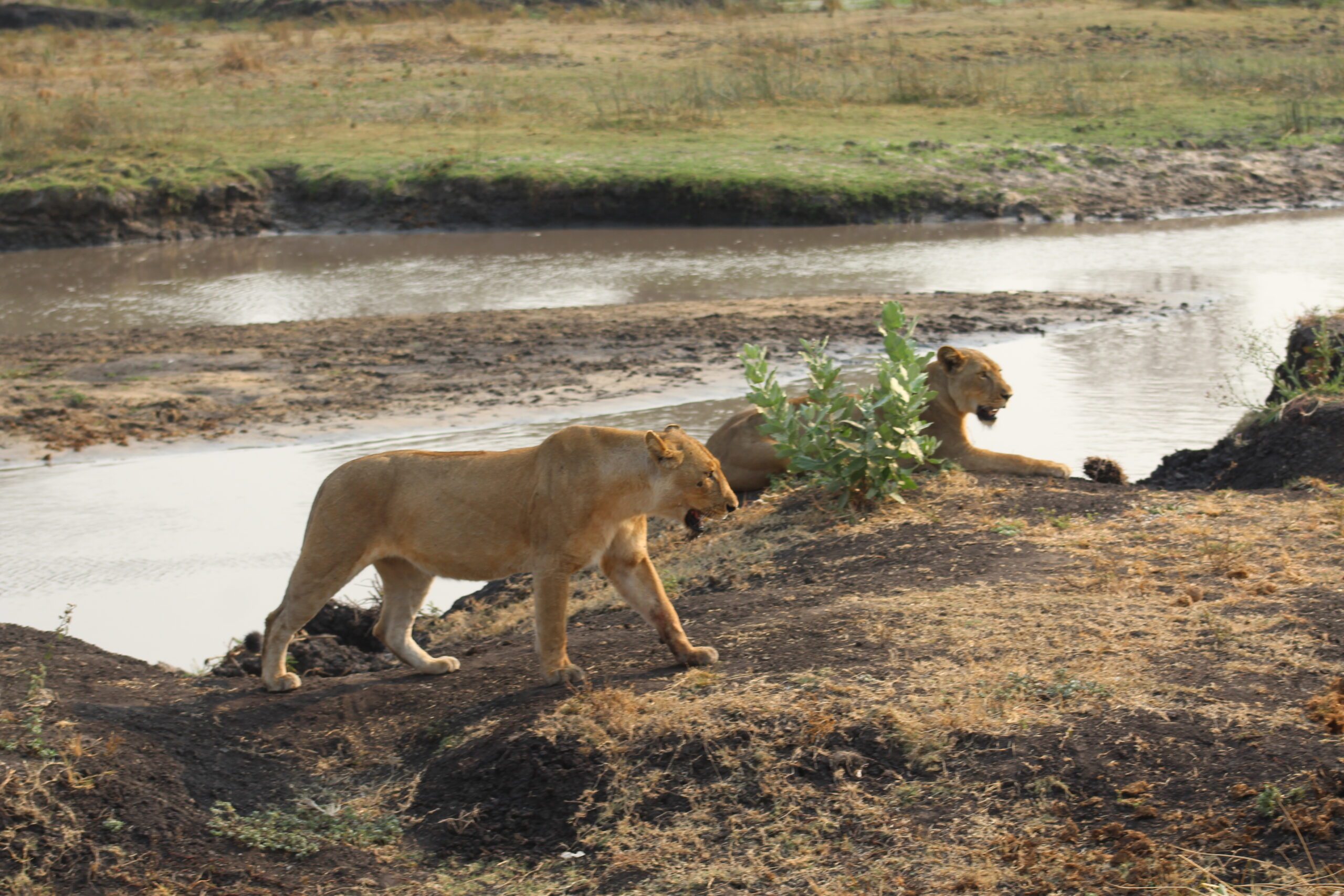
Lion hunting and lion dancing have been reduced.
47
Individual lions were saved between 2011-2016
35+
Villages have adopted by laws banning illegal lion hunting and lion dancer reward practices.
435,885+
Trees and more than 1496 acres of natural forest land are preserved in our landscape.
85,595 Km2
Land preserved in our landscape as a result of the Greening Campaign, within the landscape encompassing different land tenure types.
1500+
Locals of different groups have visited Katavi National Park from 2016 to date.
73200+
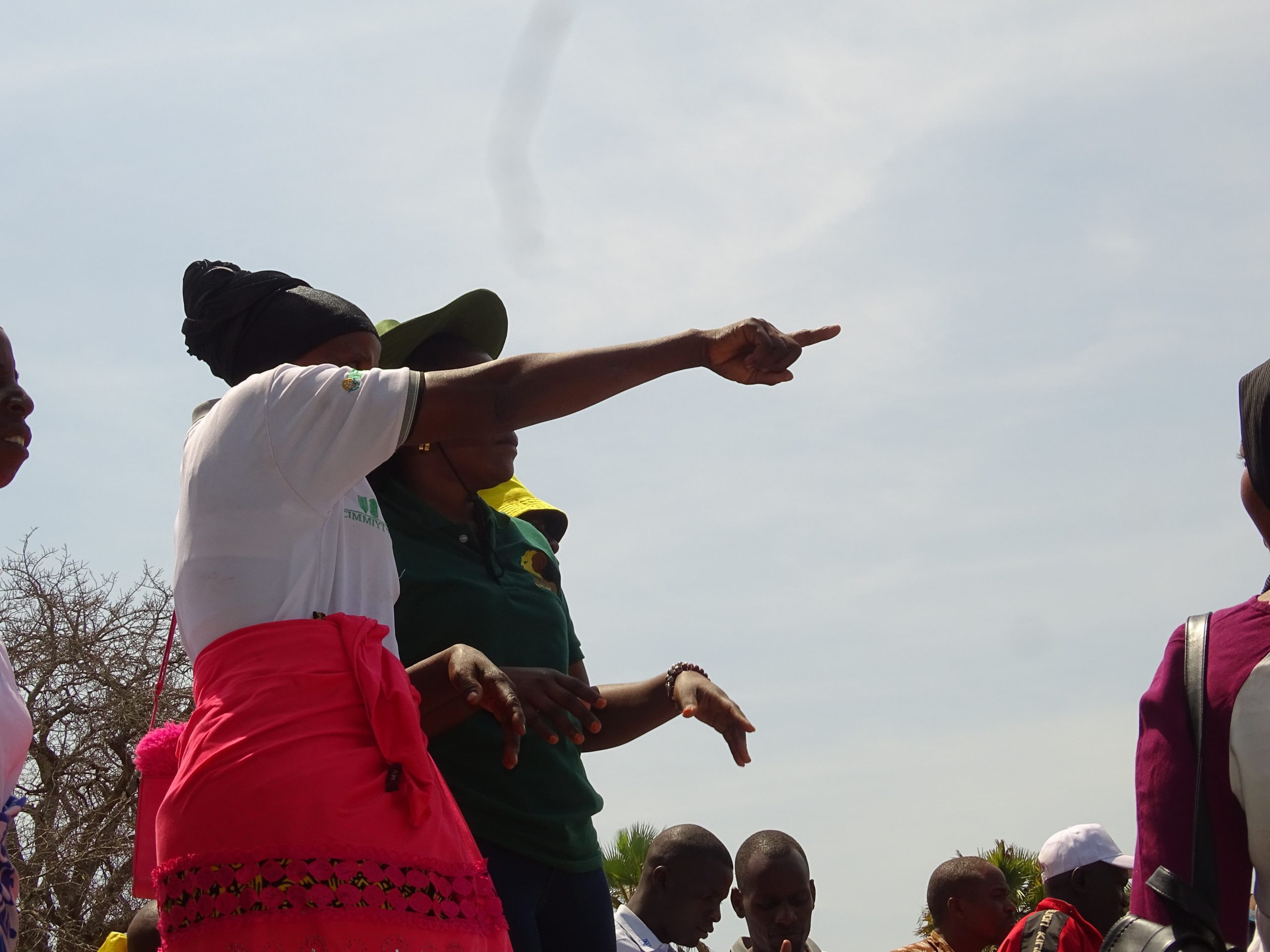
Community members have been reached via conservation film shows, educational materials, seminars, and meetings since 2016 to date. See
582
Students were supported with school uniforms and class materials.
27980+
Students were reached via 25 Student Wildlife Clubs.
6
Human-lion conflicts Loudspeaker Early Warning Systems installed in villages most vulnerable to Human-wildlife conflicts.
105
Village Game Scouts have trained and deployed as Lion Conservation Ambassadors (LCAs)
50+
Anti-poaching teams, village Game Scouts, have trained and deployed as Lion Conservation Ambassadors in three Wildlife Management areas
117
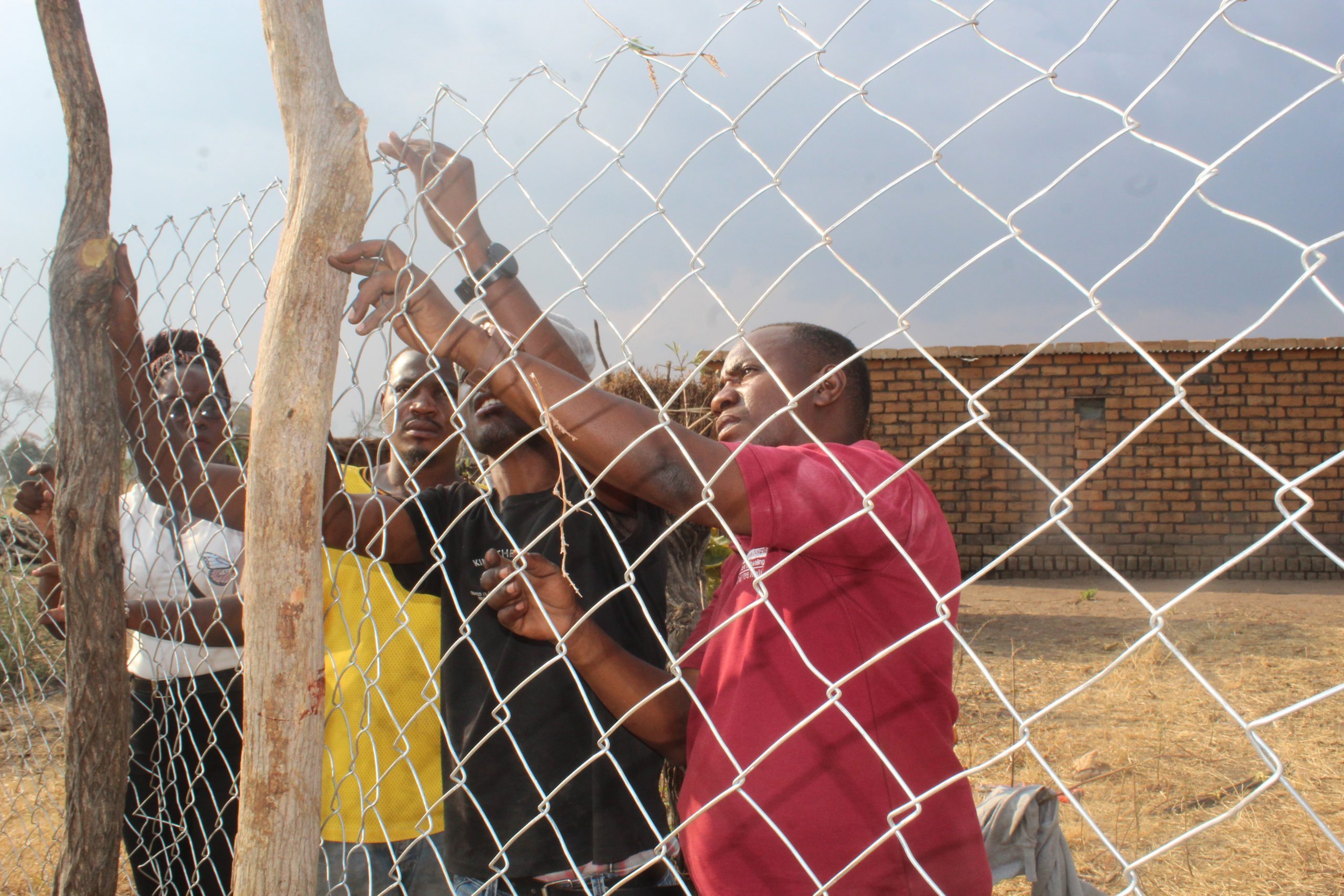
Lion-proof bomas built in South-Western Tanzania.
5180+
Livestock have been secured by Lion Proof Bomas.
US$ 1,114,385
The worth of livestock secured by Lion-Proof Bomas to date.
85%
(LPB) Free service made to human-lion conflict victim households from around the Ugalla River and Katavi National Parks (Ongoing project)
13
Natural resource management and governance participatory appraisals aimed to improve local natural resource management and governance have been conducted (ongoing project)
787
Community leaders & representatives have been involved in local natural resource management and governance (ongoing project)
193
Children with physical disabilities have been treated.
3
Beekeeping groups have been established in Mpimbwe and Nkasi as a result of the livelihoods project.