
Alternative Livelihood
The Alternative Livelihood Program is dedicated to creating a peaceful coexistence between people and wildlife. We believe that by improving community livelihoods, we can effectively address the pressing issues of human-wildlife conflicts, resource use conflicts, unemployment, poaching, and habitat destruction.
Our impacts
03
Beekeeping Groups
Women's beekeeping groups have been established in Mpimbwe and Nkasi DC in Katavi and Rukwa Regions.
129
Community members
Community Members have benefited beekeeping project
02
Regions
Regions of Rukwa and Katavi benefited from beekeeping
69
Youth
22 local trainers and 47 youth equipped with vocational skills, building pathways to employment and eco-entrepreneurship
70
Women
Trained and supported in value chain addition development, strengthening financial independence, and community resilience.
17
Households
Empowered with practical skills and tree seedlings to support agroforestry, sustainable livelihoods and environmental stewardship.
Explore our livelihood projects
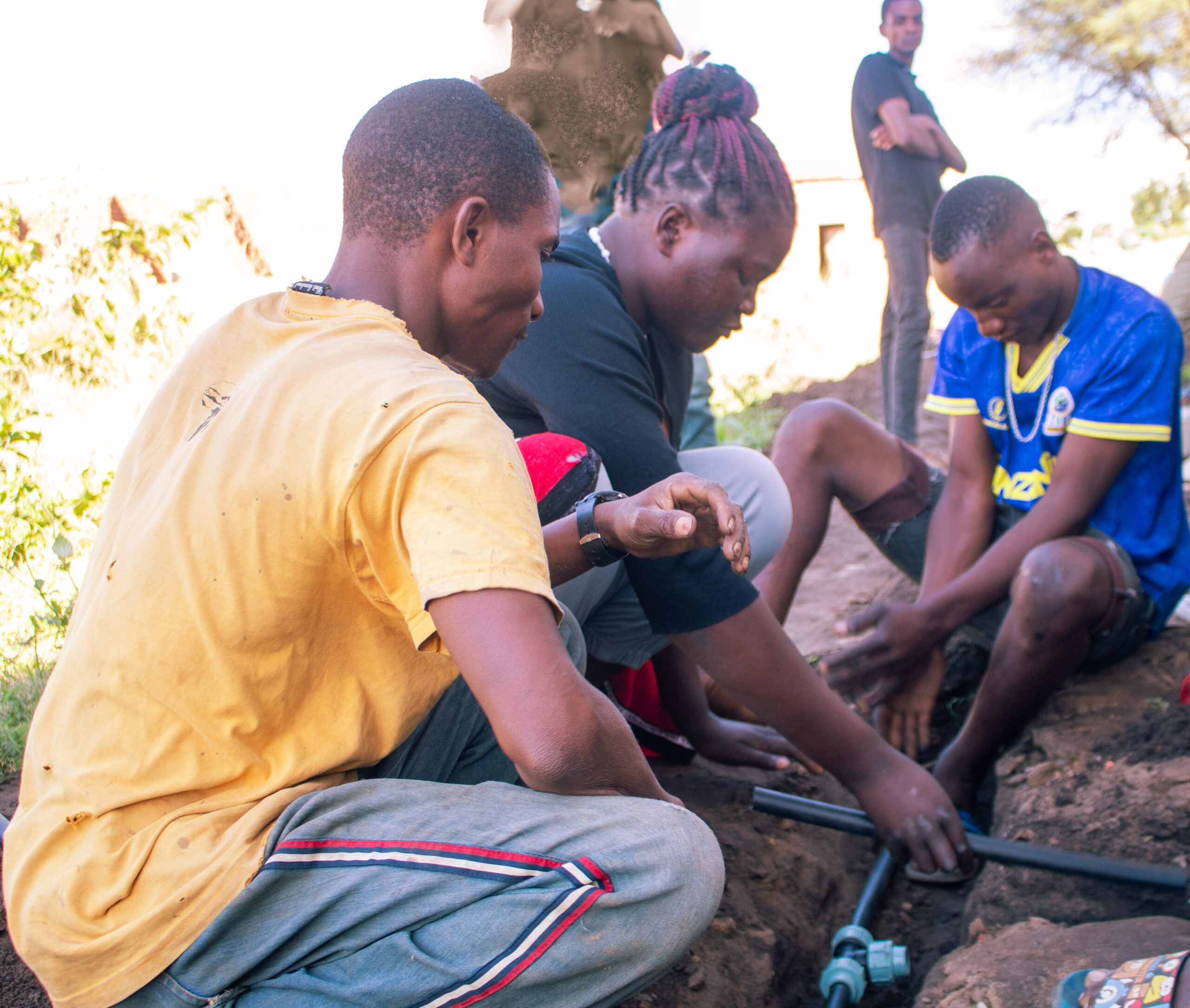
Alternative jobs
The project empowers village youth by providing practical vocational training and access to sustainable livelihoods by engaging competent skilled local trainers. Through hands-on learning in eco-entrepreneurship, such as welding, carpentry, tailoring, plumbing, painting, and animal husbandry, we equip participants with the skills they need to launch small businesses or gain meaningful employment. Based on these insights, we empower women with local business enterprises such as poultry, pottery, food venders, home supply shops, with financial literacy training; helping them grow sustainable businesses and strengthen their livelihoods. This practical approach supports long-term resilience, uplifts families, and builds pride in financial independence. The project is guided by community needs assessments to understand their priorities and challenges ensuring our support aligns with real-life goals and local community context.
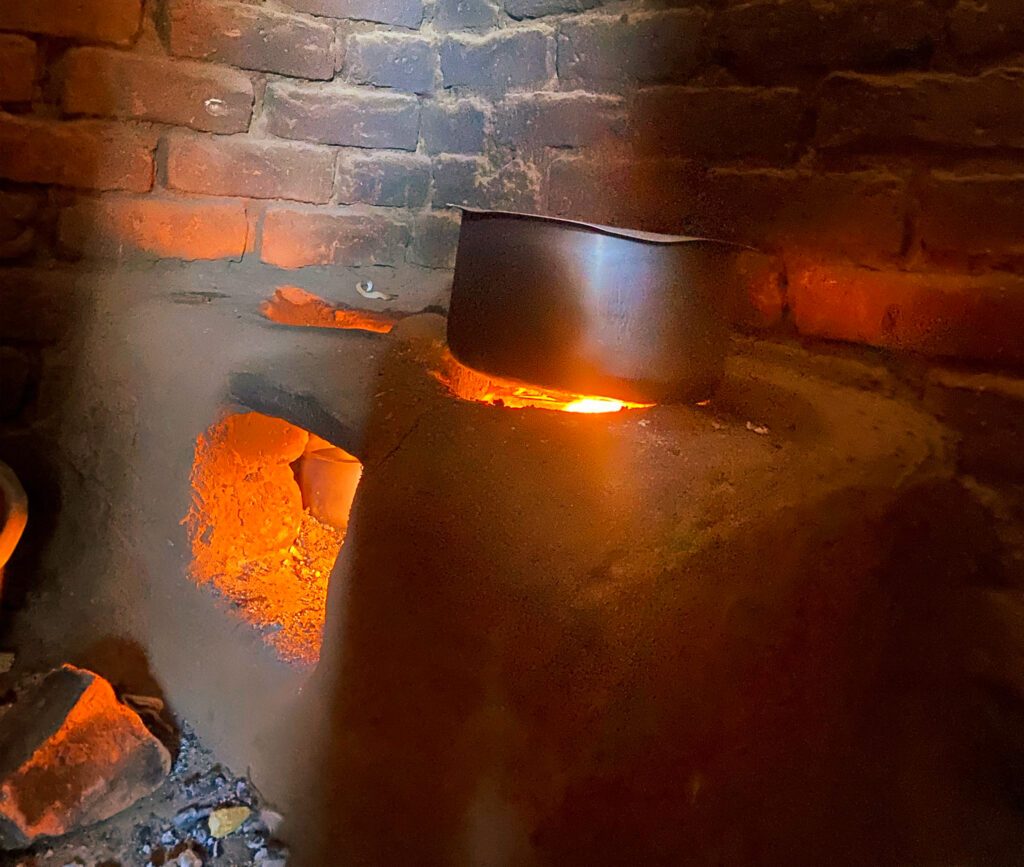
Efficient Energy Cooking Stoves
The project brings clean, affordable, and efficient cooking solutions to communities that depend heavily on charcoal and firewood. By introducing improved stoves, we help the community to reduce the amount of fuel wood needed for cooking, cutting down costs, conserving forests, and protecting wildlife habitats. This project focuses on improving daily life, especially for women and low-income households. With less smoke indoors, families enjoy better health. With less time spent collecting firewood, women and children can focus on education, income generation, and well-being. Through training, awareness campaigns, and stove installation, we’re replacing traditional cooking methods that lead to deforestation, respiratory illness, and time poverty, building a healthier, more sustainable future for both people and nature.
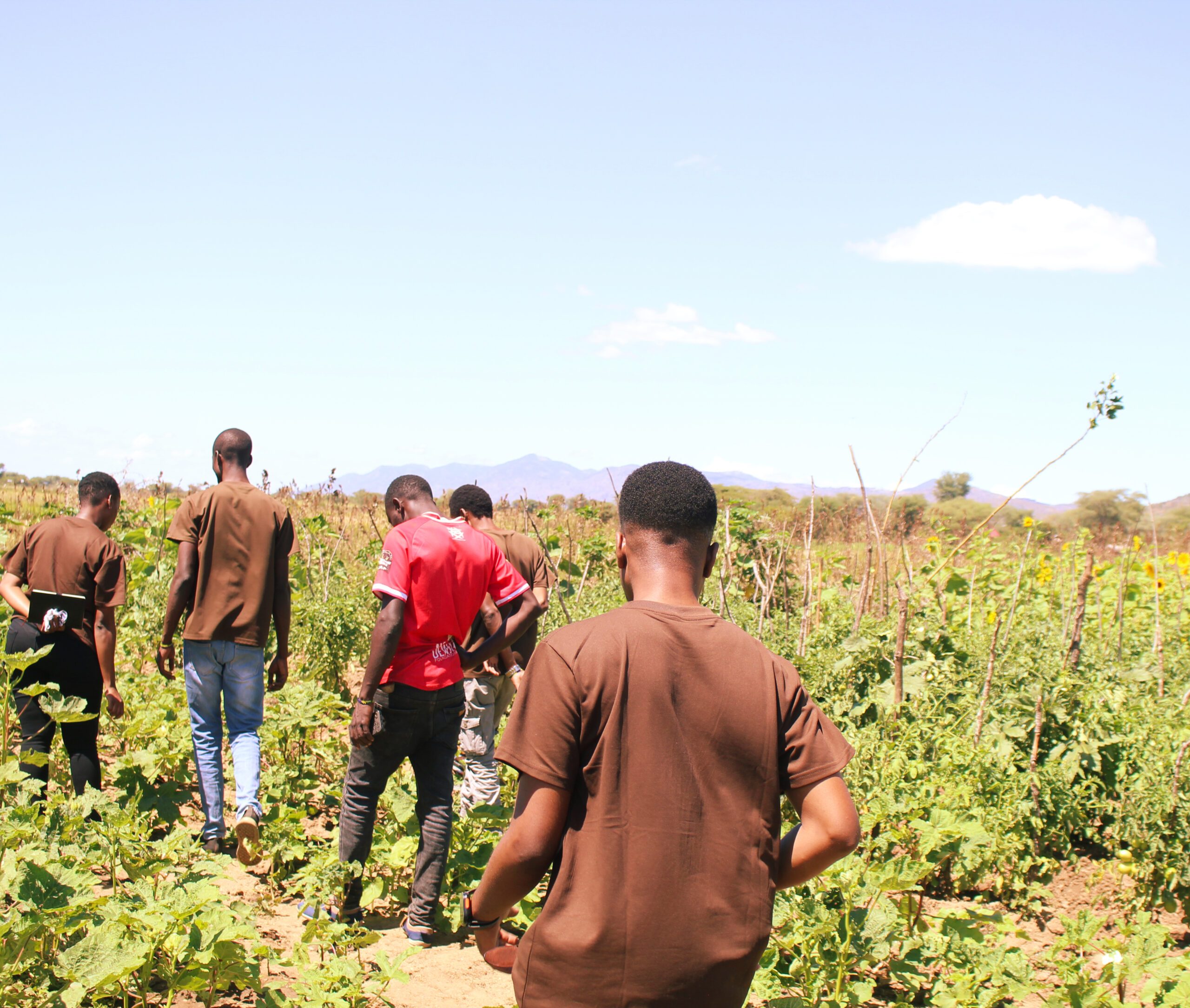
Agroforestry
Agroforestry project in Southwestern Tanzania integrates trees and crops into unified and sustainable land use practices by combining agriculture and forestry. This aimed to improve the habitats through the restoration of soil health, increase biodiversity, and support resilient livelihoods for local communities. This innovative approach not only enhances food security and income for farmers but also combats climate change through carbon sequestration and ecosystem restoration. Whether planting fruit trees alongside crops, our agroforestry models are tailored to local conditions and guided by traditional knowledge and modern science.

Beekeeping
We train local youth, elders and women in sustainable beekeeping practices and support them in forming strong, cooperative beekeeping groups. These groups become hubs of shared learning, mutual support, and collective growth. After training, we provide essential startup support, including modern beehives and protective gear. But we don’t stop there. We also help connect them to reliable markets for honey and other bee products, ensuring their efforts translate into real income and long-term opportunity. Beekeeping is a nature-friendly livelihood that protects forests, supports pollination, and reduces pressure on wildlife habitats. Every hive nurtured strengthens both community resilience and environmental stewardship.
Empowering Communities Through Collaborative Efforts
In collaboration with Wild Survivors, we successfully implemented a community beekeeping project that provided sustainable income for local families while fostering a deeper connection to nature. This not only empowered participants with training and resources but also contributed to wildlife conservation by reducing dependence on forest resources. With this phase completed, we’re excited to build on its success and are preparing for the next stage, expanding our reach, impact, and collective vision for thriving communities and protected landscapes.

Beekeeping Project
The beekeeping project with Wild Survivors ensures economic stability for families while promoting wildlife and environmental stewardship. By training local residents in beekeeping techniques and providing them with the necessary resources, we are creating a new wave of entrepreneurs who are dedicated to sustainable practices. The benefits of this project are multifaceted: from producing high-quality honey to enhancing pollination and biodiversity in the region, the impact is profound and far-reaching.
Why
Beekeeping?
Raising Awareness and Promoting Conservation
By empowering communities with knowledge and resources, we aim to create a culture of conservation that transcends generations.
Addressing Human-Wildlife Conflicts
We address this by creating buffer zones with beehive fences and chill fences, encouraging wildlife-friendly farming. These solutions not only protect wildlife but also secure the livelihoods of people living near these areas, fostering a harmonious coexistence.
Improving Community Livelihoods
By fostering beekeeping practices, we enhance local livelihoods, support biodiversity, and create a harmonious balance between nature and community welfare
we are Motivated
We believe in the power of community-led change. Every training delivered, every stove installed, every beehive nurtured, it’s all part of a bigger story: one where people live in harmony with nature, and every opportunity sparks hope.