WASIMA Livelihood Program

Alternative Livelihood

Empowering Communities | Protecting Nature

Program Overview

The WASIMA Livelihood Program is designed to strengthen coexistence between people and wildlife by addressing the root causes of human–wildlife conflict and habitat degradation. It provides eco-friendly livelihood alternatives for communities living near Katavi National Park, Mpimbwe WMA, and Lwafi Game Reserve. By focusing on youth and women often the most vulnerable, the program reduces pressure on natural resources, improves household income, and promotes environmental stewardship.

1. Alternative Jobs Project

Vocational Training for Youth

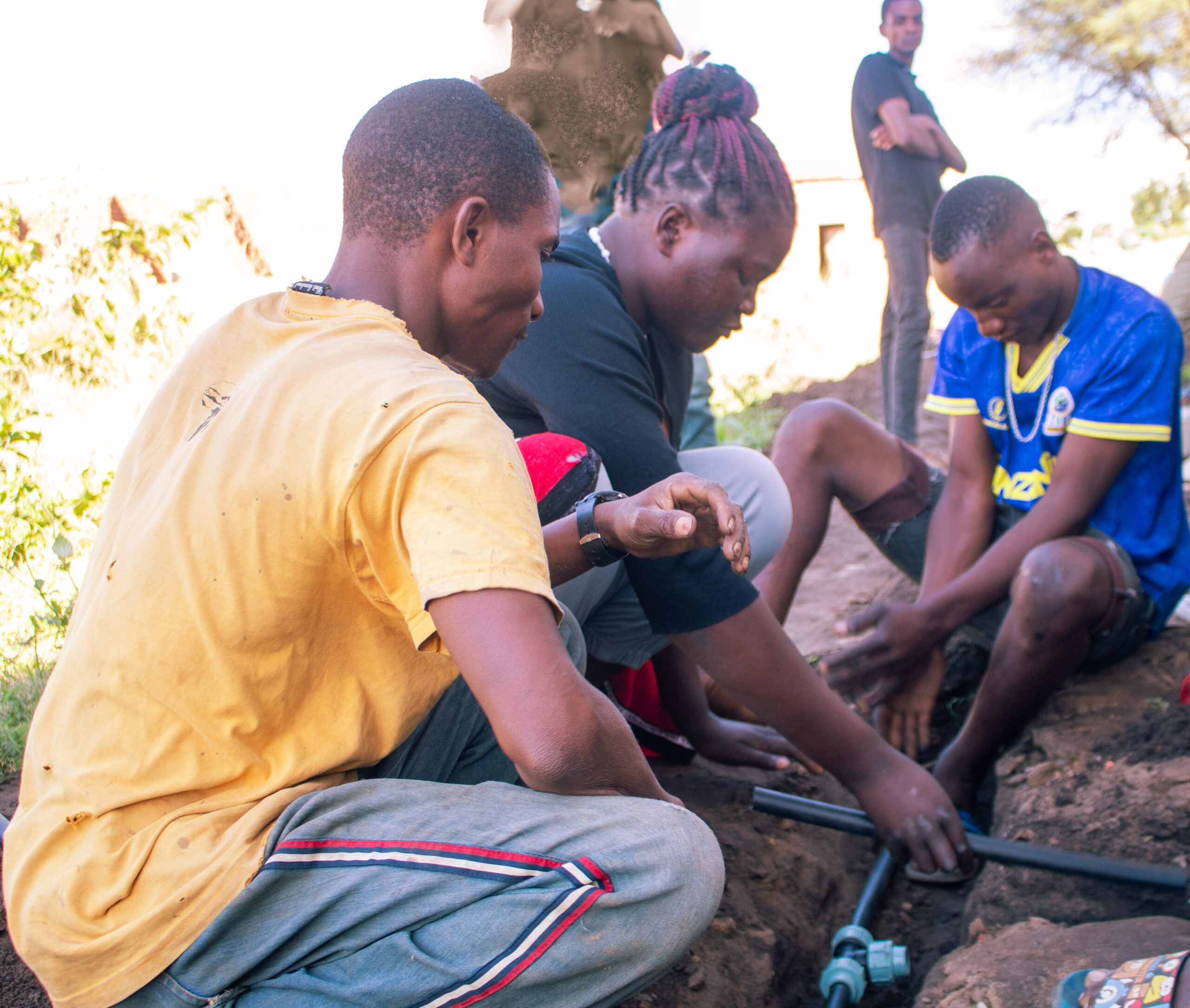
Young people in villages bordering protected areas often face poverty, limited opportunities, and the temptation to engage in unsustainable activities such as poaching or illegal logging. This initiative equips them with practical skills in carpentry, tailoring, mechanics, and other trades. Training is delivered by local artisans and complemented with entrepreneurship and business management sessions, ensuring participants can start their own enterprises or secure employment.

By creating skilled labor and self-employment opportunities, the project provides sustainable alternatives to resource-dependent livelihoods. This reduces pressure on forests and wildlife habitats, minimizes illegal activities, and directly lowers human–wildlife conflict.
Vocational Training
Women in Value Addition

Women in Value Addition

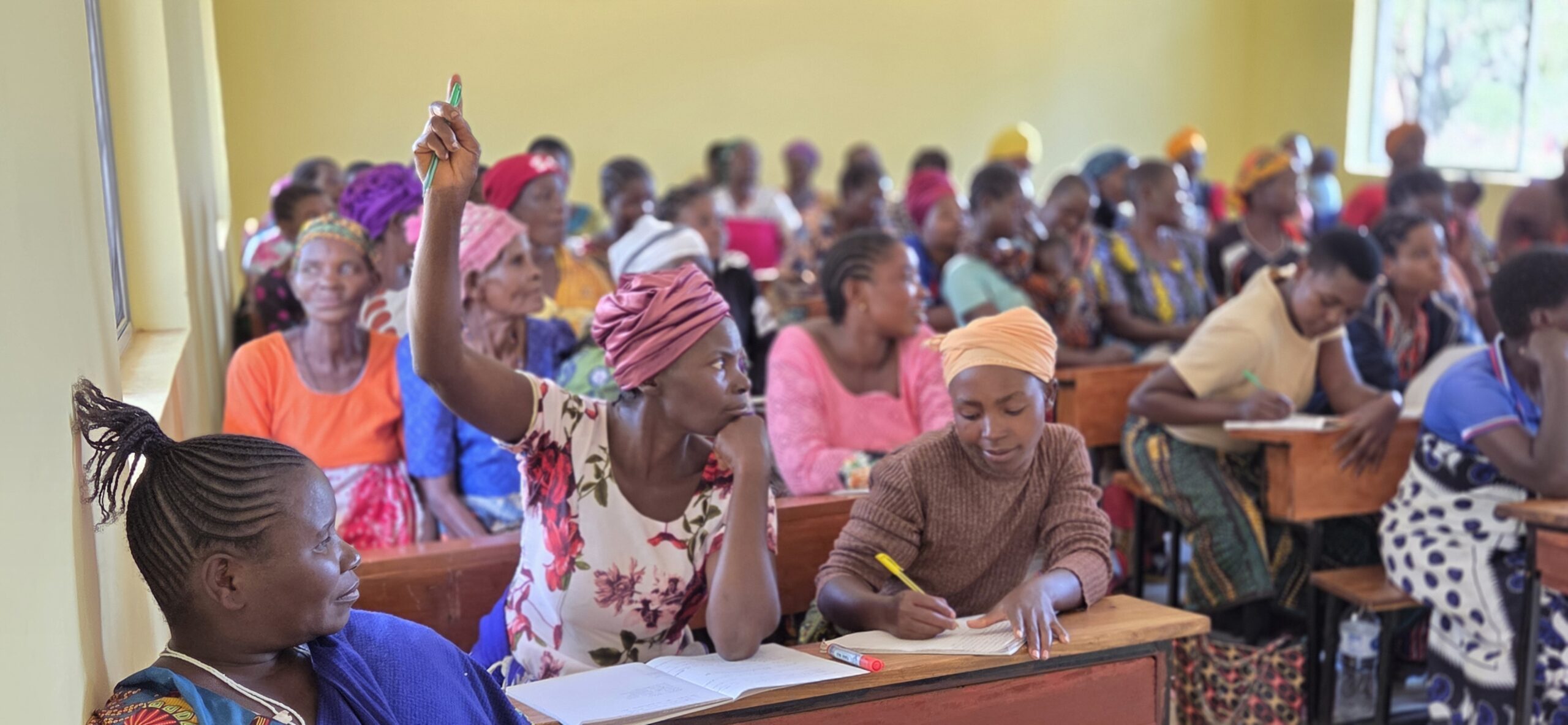
Rural women are empowered to process and improve local products such as honey, groundnuts, poultry, and handicrafts. Training covers value addition techniques, branding, marketing, and financial literacy, enabling women to establish sustainable businesses. This initiative strengthens women’s economic independence, reduces household vulnerability, and discourages reliance on destructive resource use.

By promoting eco-friendly enterprises, the project helps women avoid activities that degrade forests or increase conflict with wildlife, while improving family income and food security.

2. Energy Saving Stove Project

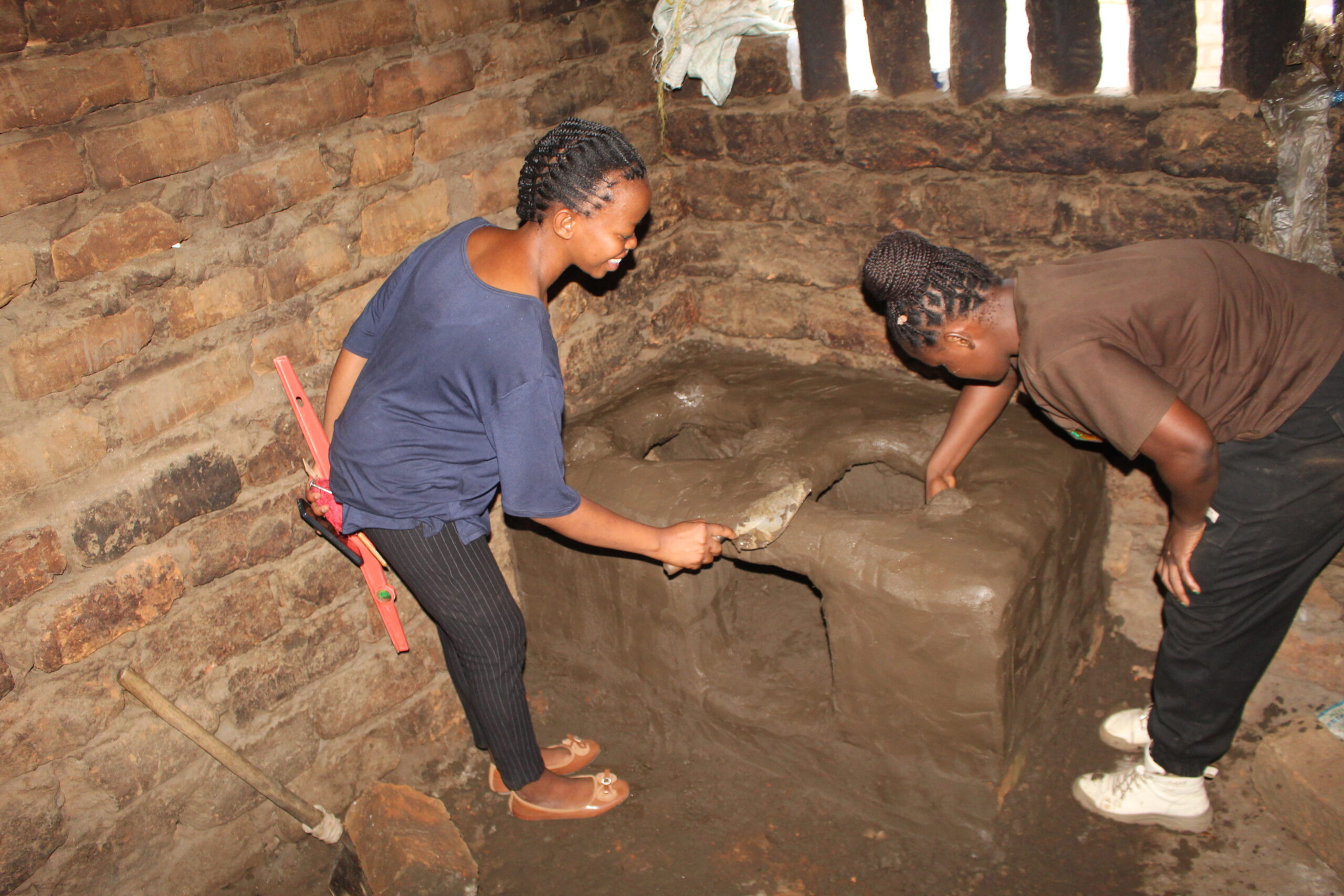
Communities near conservation areas rely heavily on firewood and charcoal, leading to deforestation and habitat destruction. WASIMA trains local artisans to construct energy-efficient stoves using locally available materials such as clay, ash, and rice husks, while providing steel and technical support. These stoves consume less fuel and produce less smoke, improving household health and saving women and children time previously spent collecting firewood.

The cost-sharing model ensures community ownership, as households contribute materials while WASIMA provides training and oversight. By reducing firewood demand, the project protects forests, lowers risks for women who encounter wildlife while collecting wood, and directly reduces human–wildlife conflict.

Energy Saving Stove
Agroforestry

3. Agroforestry Project

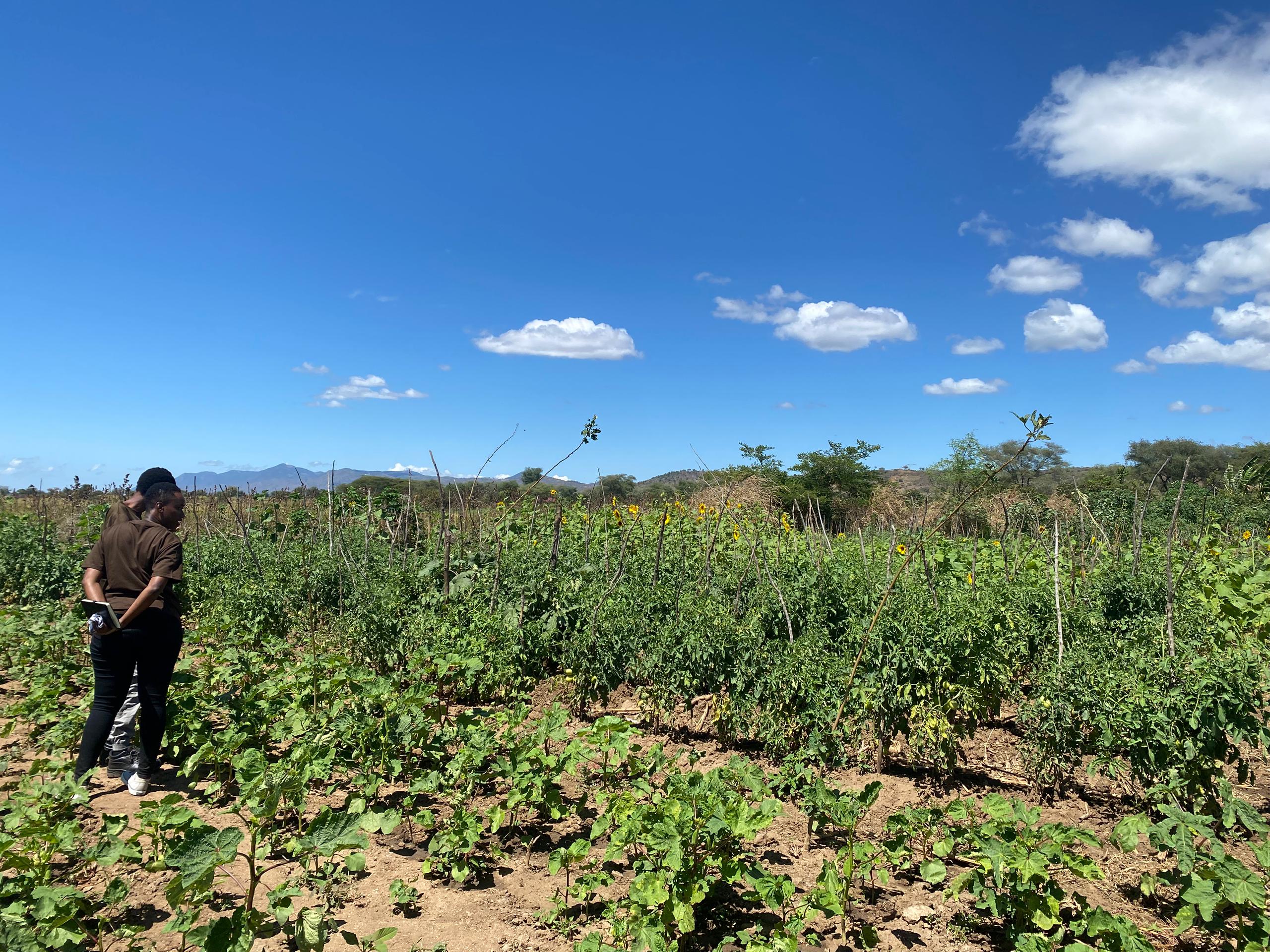
Agroforestry integrates tree planting with farming practices to create sustainable and diversified land-use systems. Communities plant fruit trees such as mango, papaya, and guava, alongside fertilizer trees like Gliricidia and Acacia that naturally enrich the soil. This improves crop yields, provides marketable products, and enhances climate resilience by sequestering carbon and restoring degraded lands.

The project enhances climate-smart agriculture, reduces pressure on natural resources, and secures wildlife habitats. By increasing tree cover and conserving village forests, agroforestry reduces habitat loss and ensures wildlife has safe spaces to thrive. It also minimizes human–wildlife conflict by providing communities with sustainable alternatives outside protected areas.

Overall Impact

Together, these three projects—Alternative Jobs, Energy-Saving Stoves, and Agroforestry, form a comprehensive livelihood program that addresses poverty, reduces dependence on protected areas, and promotes conservation. By empowering youth and women, introducing clean energy solutions, and restoring ecosystems, WASIMA builds resilient communities that live in harmony with wildlife. The program directly reduces human–wildlife conflict, protects biodiversity, and ensures that conservation and community development go hand in hand.

Be Part of the Change

Join us in creating a sustainable future for people and wildlife. Watch our story below:

Learn More